
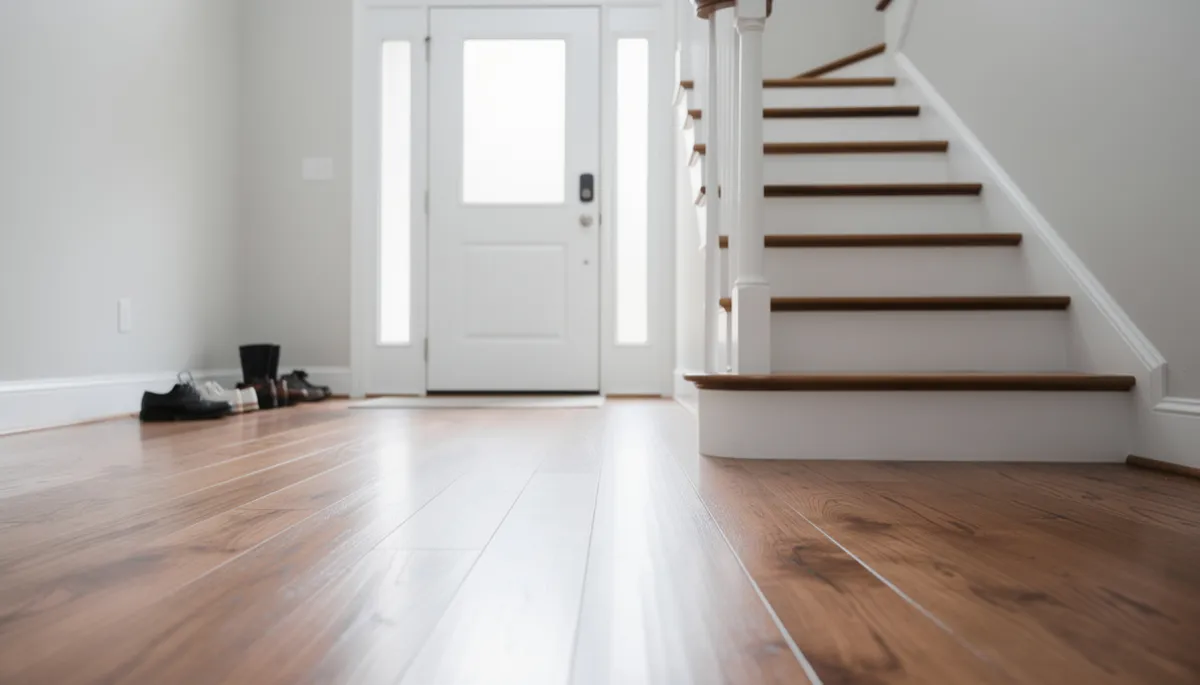
Best Flooring Options for High Traffic Areas in Your Home
High-traffic areas in your home—like entryways, kitchens, hallways, and family rooms—see a lot of action. Shoes, pets, spills, and furniture can all take a toll over time. Choosing the right flooring for these spaces isn’t just about looks; it’s about longevity and practicality. Let’s break down the best flooring options for busy areas, so your home in Downers Grove stands up to everyday life.
What Makes a Flooring Material Good for High Traffic?
When thinking about high-traffic spaces, durability matters most. You want flooring that can handle foot traffic, resist scratches and dents, and clean up easily. Water resistance and easy maintenance are big bonuses, especially in spots like mudrooms or kitchens. Comfort underfoot and the look you want also play a role. Some materials, like solid hardwood, can be repaired or refinished if they get damaged, while others, like vinyl, are designed to shrug off daily wear and tear with minimal upkeep.
Is Hardwood Flooring a Good Choice for Busy Areas?
Hardwood floors are a classic option, and with the right finish and care, they can do well in high-traffic parts of your home. Prefinished hardwood comes with a tough factory-applied finish that stands up to most daily abuse. Unfinished hardwood gives you the chance to choose custom stains and finishes, but it takes a bit more time to install and finish on-site. If your hardwood gets scratched or dull, sanding and refinishing can bring it back to life. Engineered hardwood is another option—it has a real wood surface layer but is more stable in changing humidity.
- Pros: Can be refinished; looks great; adds value
- Cons: Can scratch or dent from heavy traffic; sensitive to moisture
How Does Vinyl Flooring Hold Up in High-Traffic Spaces?
Vinyl flooring—especially click-lock or glue-down varieties—has come a long way in recent years. Modern vinyl plank and tile options mimic the look of wood or stone, but offer serious durability. They’re highly resistant to scratches, dents, and moisture. That makes vinyl a smart choice for entryways, kitchens, and laundry rooms. If you have pets or small kids, vinyl can be especially forgiving. It’s also softer and warmer underfoot compared to tile.
- Pros: Very durable; water resistant; easy to clean; affordable
- Cons: Can’t be refinished; some styles feel less natural
Is Laminate Flooring Durable Enough for Busy Homes?
Laminate flooring has a tough top layer designed to resist scratches and stains. It’s a solid pick for high-traffic zones, especially if you want the look of wood without the higher price tag. Laminate comes in a wide range of styles and can be installed over many types of subfloors. It’s not as moisture-resistant as vinyl, but newer laminates are better at handling spills than older versions. Keep in mind that if water gets underneath, laminate can swell or warp, so it’s best for dry areas or spots where spills can be cleaned up quickly.
- Pros: Scratch resistant; budget-friendly; wide range of looks
- Cons: Not waterproof; can’t be refinished; may sound hollow
What About Stairs and Entryways—Are Special Materials Needed?
Stairs and entryways take a beating. For these spots, durability and slip resistance are essential. Hardwood is a popular choice for stairs, but make sure it’s finished with a slip-resistant coating. Vinyl or laminate can also work, especially if you use stair treads for safety. In entryways, consider using a tougher finish or even a waterproof vinyl. Mats and rugs help catch dirt and moisture before it reaches your floors, extending their life. Proper installation is key—loose boards or gaps can create problems down the road.
How Do You Repair or Maintain High-Traffic Flooring?
No matter what flooring you choose, regular maintenance keeps it looking good. For hardwood, sweeping and occasional damp mopping helps, and refinishing can remove deeper scratches or wear. Vinyl and laminate need simple sweeping and occasional mopping. For small repairs—like scratches, dents, gaps, or even water damage—many issues can be fixed without replacing the whole floor. Professional repair services can often blend in new boards or spot-finish damaged areas, especially with hardwood. In Downers Grove, experienced flooring pros can assess whether a repair, recoat, or full replacement makes the most sense for your home.
Frequently Asked Questions
Can I use hardwood in my kitchen or mudroom?
Hardwood can work in kitchens or mudrooms if well-sealed, but it’s more vulnerable to spills and moisture than vinyl or tile. If you want a wood look in these areas, engineered hardwood or waterproof vinyl may be a better bet.
How do I prevent scratches and dents in high-traffic areas?
Use felt pads under furniture, rugs in busy spots, and keep pet nails trimmed. Regular cleaning helps too—grit and dirt can act like sandpaper on your floors.
What’s the easiest flooring to keep clean in busy homes?
Vinyl plank or tile is one of the easiest to clean—just sweep and mop as needed. Laminate is also low maintenance, but avoid soaking it with water. Hardwood takes a bit more care but holds up well with regular attention.
Can damaged hardwood boards be replaced?
Yes, individual hardwood boards can often be removed and replaced if they’re scratched, dented, or water-damaged. Matching the finish is important for a seamless look, especially in visible areas.
When you’re ready to update high-traffic areas in your Downers Grove home, choosing the right flooring makes all the difference. If you have questions or want to see samples in person, reach out to Fabulous Flooring, LLC. We’re happy to help you find a floor that stands up to daily life and looks great doing it.