Click Lock vs Glue Down Vinyl Flooring: What’s Right for Your Home?
Vinyl flooring has become a popular choice for homeowners looking for a durable, attractive, and cost-effective solution for almost any room. But when it comes to installation, you’ll usually pick between click lock and glue down vinyl flooring. Each has its own strengths, and knowing the differences can help you make the right choice for your home in Downers Grove or the surrounding area. Let’s walk through the questions homeowners often ask about these two options.
What is Click Lock Vinyl Flooring and How Does It Work?
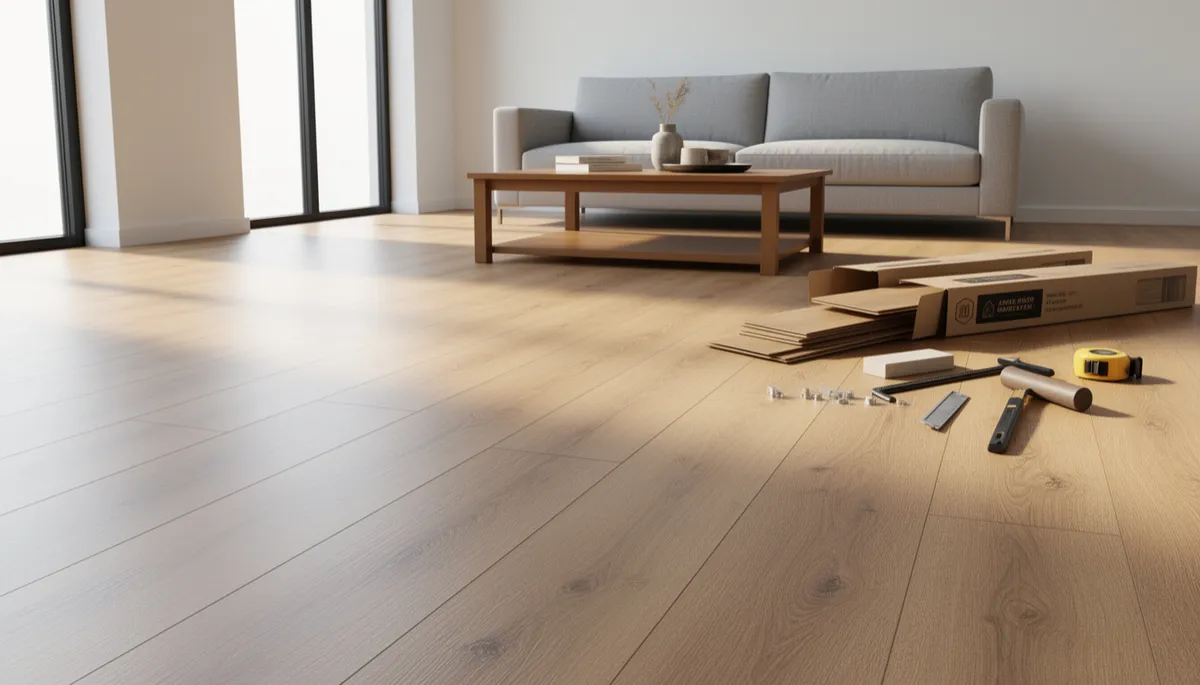
Click lock vinyl flooring uses a system where the planks or tiles snap together along the edges. This floating floor system sits over your subfloor without the need for glue or nails. The tongue-and-groove edges click into place, making it a straightforward installation that’s often preferred for DIY projects. The floor can expand and contract with changes in temperature and humidity, reducing the risk of gaps or buckling in most rooms.
How Does Glue Down Vinyl Flooring Differ?
Glue down vinyl flooring is installed by applying adhesive directly to the subfloor. Each plank or tile is pressed into the adhesive, creating a solid, stable bond. This method is often chosen for commercial applications or high-traffic areas, but it’s also a good fit in homes where you want a more permanent floor. It requires more prep work to ensure the subfloor is perfectly clean, smooth, and level, since any imperfections can show through the vinyl.
Which Flooring Option Is Easier to Install?
Click lock vinyl flooring is generally easier and faster to install, especially for DIYers. You don’t need specialized tools, and since it floats over the subfloor, you have more flexibility with minor imperfections in the surface. Glue down flooring, on the other hand, takes more time and precision. You’ll need to spread adhesive and carefully lay each piece, making sure the alignment stays straight. Professional installation is often recommended for glue down vinyl to get the best results.
How Do These Floors Perform in High-Moisture Areas?
Both click lock and glue down vinyl floors are water-resistant, making them good choices for kitchens, bathrooms, and basements. However, glue down vinyl is a bit more secure in areas that might see standing water. Because it’s firmly bonded to the subfloor, there’s less risk of water getting underneath and causing problems over time. Click lock flooring is still very water-resistant, but if water gets between the seams or underneath, it can be harder to dry out without lifting sections of the floor.
What About Comfort and Sound?
Click lock vinyl floors can feel a bit softer and warmer underfoot, especially when installed with an underlayment. This underlayment also helps reduce sound, making it a good choice for bedrooms or living rooms where comfort and noise reduction matter. Glue down vinyl sits directly on the subfloor, so it can feel firmer and may transmit more sound. Some homeowners add a thin underlayment with glue down installations, but it’s not always recommended by manufacturers.
Which Option Is Easier to Repair or Replace?
If a section of click lock vinyl gets damaged, you can usually remove and replace individual planks or tiles without too much hassle—especially if the damage is near the edge of the room. With glue down vinyl, repairs are more involved; you may need to use heat or solvents to loosen the adhesive, and matching new pieces to the existing floor can be tricky. For both types, color and pattern matching is important, so keeping a few extra planks or tiles after installation is a smart move.
Frequently Asked Questions
Can click lock vinyl flooring be installed over existing floors?
Yes, click lock vinyl can often be installed over existing hard-surface floors like tile or hardwood, as long as the surface is clean, flat, and in good condition. Just make sure there are no issues like moisture or loose sections underneath.
How long does glue down vinyl flooring last?
With proper installation and care, glue down vinyl flooring can last many years. The solid bond to the subfloor helps prevent movement and wear, especially in busy households. Regular cleaning and avoiding harsh chemicals will help maintain the finish.
Is there a difference in how the two options look?
Both click lock and glue down vinyl flooring come in a wide variety of colors, patterns, and styles, including wood and stone looks. Once installed, most people can’t tell the difference just by looking. The main differences are in installation and feel underfoot.
Can I install vinyl flooring in a basement?
Yes, both types work well in basements, but glue down vinyl is often preferred in areas prone to moisture because it forms a tighter seal with the subfloor. Still, it’s important to address any moisture issues before installing any flooring.
Choosing between click lock and glue down vinyl flooring comes down to where it’s going, how comfortable you are with installation, and your household’s specific needs. If you have more questions or want a professional opinion, reach out to the team at Fabulous Flooring, LLC. We’re here to help homeowners in Downers Grove and nearby communities find the perfect floor for every room.