
Guide to Hardwood Floor Dent Repair Techniques at Home
Hardwood floors can take a beating over the years, especially in busy areas of your home. Dents are a common issue, from dropped objects to heavy furniture. While some dents are best left to professionals, many can be repaired at home with a little patience and the right know-how. Here’s a straightforward guide to fixing those pesky hardwood floor dents, so you can keep your floors looking their best.
What causes dents in hardwood floors?
Dents happen when something with weight or a sharp edge impacts the wood. It can be as simple as a dropped pan, dragging furniture without pads, or even pet claws in some cases. Wood is a natural material, so it gives a little under pressure, leading to those small depressions we call dents. Knowing what caused the dent can help you choose the best repair approach. For instance, a shallow dent from a dropped item is different than a deep gouge or a crack, which may need more involved repair or hardwood board replacement.
Can I fix small dents in hardwood myself?
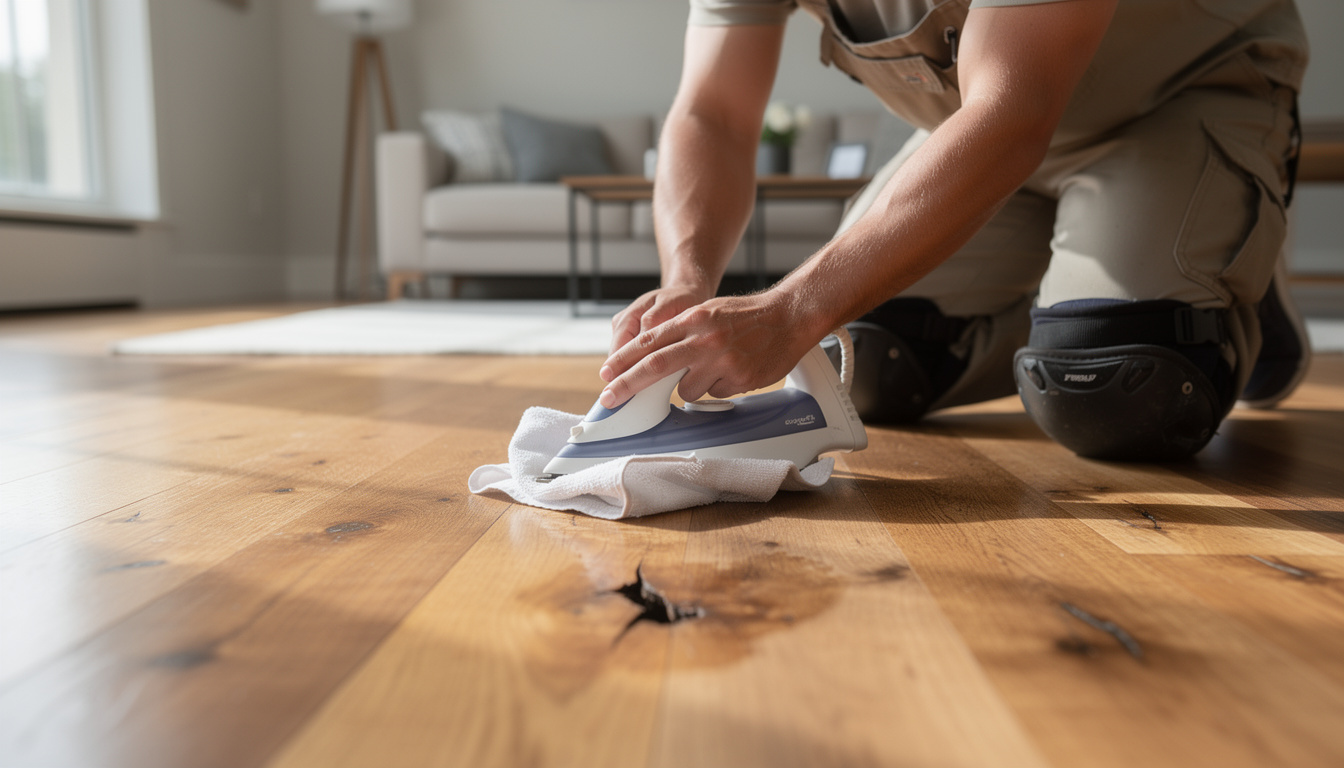
Yes, most small dents can be handled with basic DIY methods. The most common method uses moisture and heat to swell the compressed wood fibers back into shape. For this, you’ll need a damp cloth, an iron, and a little patience. Place the damp cloth over the dent, then apply a hot iron in short intervals (10-15 seconds), checking between applications. The steam helps lift the dent as the wood absorbs moisture and expands. Repeat until the dent is less visible. Always let the area dry completely before walking on it or applying any finish.
What if the dent doesn't come out with steam?
Not all dents respond to steam, especially if the wood fibers are broken or the dent is deep. In these cases, you may need to use wood filler or a matching wood putty. Start by cleaning the dent and removing any loose debris. Then, press the filler into the dent with a putty knife, level it off, and let it dry according to the product instructions. Once dry, sand it smooth and touch up with a matching stain or finish. If you’re matching stain, take your time and test in a hidden spot first. For larger or more noticeable dents, hardwood floor dent repair by a professional may give a more seamless result.
How can I prevent future dents in my hardwood floors?
Prevention is key to keeping your hardwood looking great. Use felt pads under furniture legs, avoid wearing high heels indoors, and lift furniture instead of dragging it. Consider area rugs in high-traffic spots, especially if you have kids or pets. Also, humidity control in your Downers Grove home helps prevent wood movement, which can make dents worse. Regular cleaning and maintenance will also help you catch and address minor issues before they become bigger problems.
When should I call a professional for dent repair?
If the dent is deep, covers a large area, or is accompanied by cracks or splintering, it’s best to call in a pro. This is especially true for dents near seams or joints, where improper repair can cause boards to shift or separate. Professional services like hardwood floor repair have access to specialized tools and techniques that deliver a flawless finish. They can also help with color matching and refinishing if the repair is in a noticeable area.
What tools and materials do I need for at-home dent repair?
- Damp cloth (cotton works best)
- Clothes iron
- Wood filler or putty (for deeper dents)
- Putty knife
- Fine-grit sandpaper (220 grit is a good choice)
- Stain or finish to match your floor
- Clean rags
These basic supplies should cover most small dent repairs. For more complicated fixes, you might be better off with professional help, especially for hardwood floor scratch repair or if the boards are structurally damaged.
Frequently Asked Questions
Will steam dent repair work on all hardwood types?
Steam repair is most effective on unfinished or lightly finished hardwood. Some factory finishes or engineered floors may not respond as well, and excess moisture can harm certain finishes. Always test a small, inconspicuous spot first.
How do I match the finish after repairing a dent?
Matching the finish can be tricky. Use leftover stain or finish from your original floor installation if possible. If not, bring a floor sample to a local hardware store to find the closest match. Apply sparingly and let it dry fully.
Can I use wood filler on deep dents in high-traffic areas?
Wood filler can patch deeper dents, but it may not be as durable as the surrounding wood in high-traffic areas. For these spots, board replacement or professional repair is often a better long-term solution.
Does refinishing remove all dents and scratches?
Refinishing can remove surface-level dents and scratches, but deep dents that compress or break the wood fibers may still be visible after sanding. A combination of dent repair and refinishing usually gives the best results.
If you’re in Downers Grove and need help with hardwood floor dent repair, or if you’d rather have a professional handle more stubborn damage, reach out to Fabulous Flooring, LLC. We’re here to help restore your floors and keep them looking their best for years to come.