
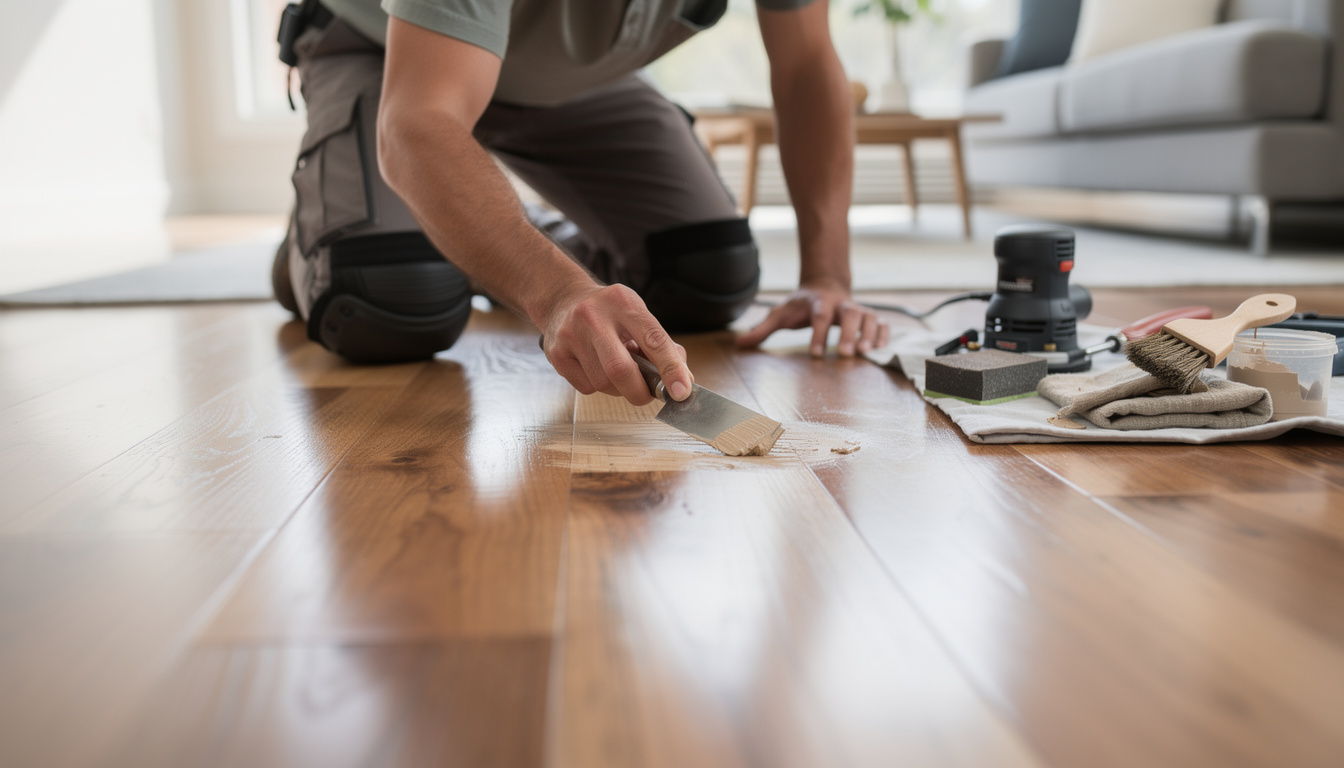
How to Repair Pet Damage on Hardwood Floors: A Homeowner's Guide
Hardwood floors are built to last, but they're not immune to the wear and tear that comes with having pets. Whether it's scratches from claws, stains from accidents, or gouges from playful energy, pet damage is a common challenge for many homeowners in Downers Grove. The good news is, most pet-related hardwood floor issues can be spot-repaired without replacing your entire floor. Here’s a practical, step-by-step guide to help you address these problems and restore your floors to their former beauty.
What Kinds of Pet Damage Can Be Spot Repaired?
Pet damage usually shows up as surface scratches, deep gouges, stains from accidents, or even warped boards if moisture sits too long. Surface scratches are most common and often just affect the finish. Deeper gouges or stains can penetrate through to the wood, making repairs a bit more involved but still manageable. Understanding the type of damage is the first step in deciding the right repair approach.
How Can I Fix Surface Scratches from Pets?
Surface scratches from claws are the most straightforward to repair. Here’s what to do:
- Clean the area thoroughly to remove dust and pet hair.
- Use a hardwood floor cleaner or a damp cloth—avoid soaking the wood.
- Lightly rub the scratched area with fine steel wool, always following the wood grain.
- Wipe away dust and apply a matching wood stain or blending pencil to the scratch.
- Once dry, apply a thin layer of polyurethane or a compatible finish to seal the spot.
For scratches that don’t go through the finish, a simple screen and recoat can refresh the entire area without sanding down to bare wood.
What’s the Best Way to Remove Pet Stains from Hardwood?
Pet urine and other liquids can stain hardwood, leaving dark spots or discoloration. Here’s a practical approach:
- Wipe up any fresh spills immediately to prevent them from soaking in.
- For older stains, lightly sand the affected area using fine-grit sandpaper, just enough to remove the top layer of finish.
- If the stain has penetrated deeply, you may need to sand down to bare wood.
- Apply a wood bleach or hydrogen peroxide with a cotton swab—let it sit, then wipe clean and let dry.
- Once the stain fades, match the color with a wood stain and reapply the finish.
If the stain is stubborn or covers a large area, you might need professional help for hardwood floor spot repair or even board replacement.
Can Deep Gouges or Chewed Areas Be Fixed Without Replacing the Whole Floor?
Yes, most deep gouges, chewed spots, or dents from heavy pet activity can be spot-repaired. Here’s how:
- Clean the damaged spot and remove any splinters or loose wood.
- Fill the gouge with wood filler that matches your floor’s color. Press it in and smooth it out with a putty knife.
- Let it dry completely, then sand flush with the surrounding floor.
- Stain the repaired spot to match the rest of the floor and apply a finish coat.
For damage that runs through the board, such as deep chewing or severe dents, a hardwood board replacement may be necessary. This is a precise job that blends the new piece seamlessly with your existing floor.
How Do I Match the Stain and Finish After a Spot Repair?
Matching stain and finish is the trickiest part of spot repairs. Every hardwood floor has variations in color and sheen due to age, sun exposure, and the original finish used. Start by testing stains on an inconspicuous spot or a scrap piece of wood. Apply thin layers and let each dry before checking the match. For the finish, try to use the same sheen (matte, satin, semi-gloss, or gloss) as your existing floor. If you’re unsure, many flooring professionals offer hardwood floor stain color matching to ensure a seamless look.
Can I Prevent Future Pet Damage on Hardwood Floors?
While it’s hard to stop all pet-related wear, a few habits will help protect your floors:
- Keep pet nails trimmed regularly.
- Use rugs or runners in high-traffic pet areas.
- Clean up spills and accidents immediately.
- Place mats under food and water bowls.
- Consider applying a fresh coat of finish every few years to maintain a protective layer.
Regular maintenance and quick attention to issues go a long way in keeping your hardwood floors looking great.
Frequently Asked Questions
Is pet urine always permanent on hardwood floors?
Not always. If addressed quickly, most urine accidents can be cleaned up before causing stains. For older or deep stains, sanding and spot bleaching may be needed. Severe cases might require board replacement.
Can I do spot repairs myself, or should I call a professional?
Minor scratches and small stains can often be fixed with DIY methods. If you’re unsure about sanding, staining, or matching finishes, or if the damage is extensive, a professional can ensure the repair blends in perfectly.
Will spot repairs be visible after they’re done?
When done carefully, spot repairs can be nearly invisible. The key is matching the color and sheen of the surrounding floor. Professionals use techniques to help blend repaired spots seamlessly.
How do I know if a board needs replacing instead of repairing?
If the damage goes all the way through the board, or if the wood is warped, cupped, or rotted from moisture, replacement is usually the best option. Surface damage, on the other hand, can often be filled and refinished.
If you need help with hardwood floor spot repair for pet damage in your Downers Grove home, reach out to Fabulous Flooring, LLC. Our team can assess the situation and recommend the best repair method, so your floors look their best for years to come.