
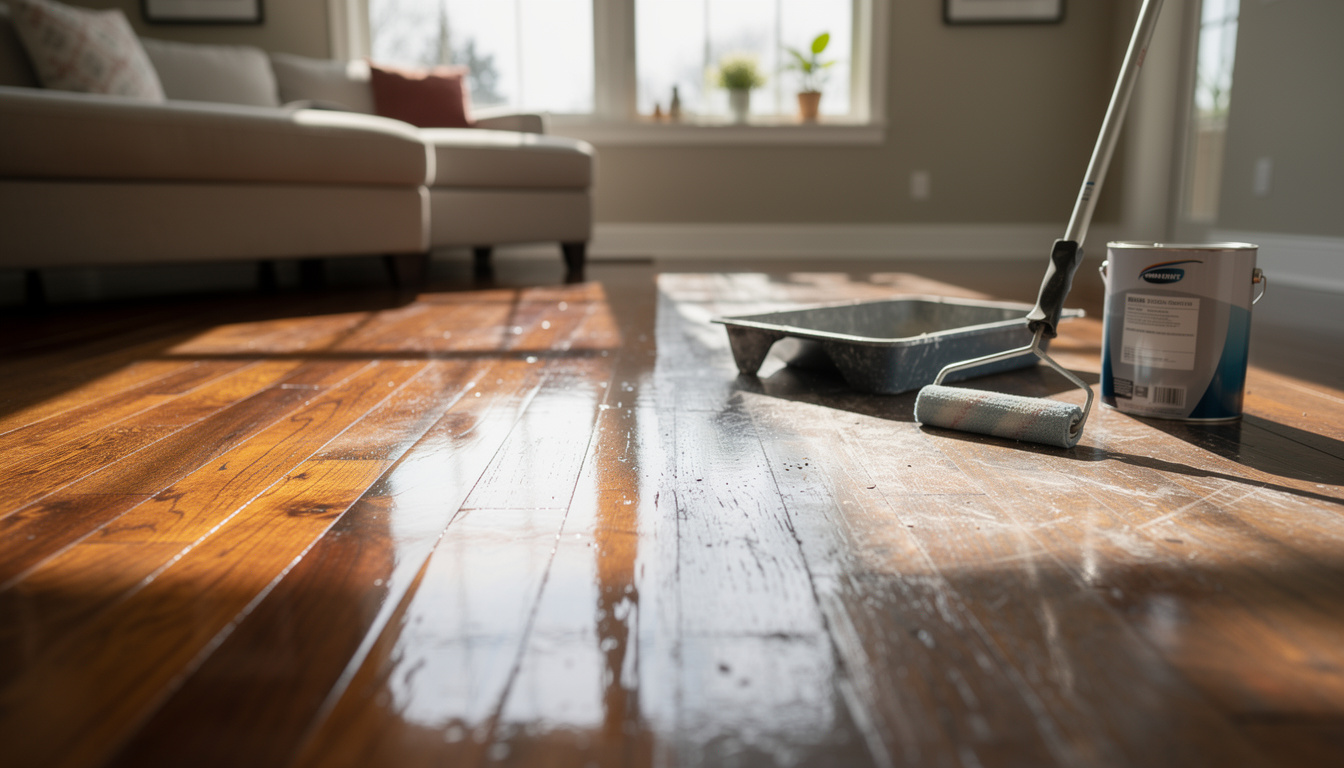
Hardwood Floor Recoating vs. Refinishing: Which Is Right for My Home?
Hardwood floors are a beautiful feature in any Downers Grove home, but over time, they can lose their shine or suffer from scratches and wear. If your hardwood floors are looking dull or damaged, you might be wondering whether you should have them recoated or fully refinished. Both options can bring life back to your floors, but they serve different needs and come with their own pros and cons. Here’s a straightforward look at how recoating compares to refinishing, so you can make the best choice for your floors.
What’s the Difference Between Recoating and Refinishing?
Recoating and refinishing are two ways to restore hardwood floors, but they tackle different levels of wear. Recoating means applying a new layer of finish over your existing floor, while refinishing involves sanding down the surface to bare wood before adding fresh stain and finish.
- Recoating is best for floors that have minor surface scratches or a dull finish but no deep damage. The process lightly scuffs the existing finish and adds a new protective coat.
- Refinishing is for floors with deeper scratches, dents, discoloration, water damage, or old finish that’s worn through. It requires sanding away the top layer of wood and then applying stain and finish.
If you’re unsure which your floor needs, a professional inspection can help. Read more about hardwood sanding & refinishing and screen and recoat hardwood floors to see what’s involved in each process.
When Is Recoating the Better Option?
Recoating works well if your hardwood floor’s finish is worn or lightly scratched but the wood underneath is still in good shape. It’s a quicker job than refinishing, and there’s no need for sanding down to bare wood. You’ll want to avoid recoating if your floors have wax or oil-based cleaning residues, deep gouges, or water damage—these issues require more extensive work.
- Recoating is less disruptive and creates little dust.
- It usually takes less time, so you can get back to using your rooms sooner.
- It extends the life of your floor’s finish and can be repeated as needed over the years.
If you’re considering quick touch-ups, hardwood floor recoating might be your answer.
When Is Refinishing Necessary?
Refinishing is the go-to solution for more serious floor problems. If your hardwood has deep scratches, stains, discoloration, or if the finish is peeling or worn through to the wood, recoating won’t fix the underlying issues. Sanding down to bare wood allows for stain color changes and a complete reset of the finish layer.
- Refinishing removes all the old finish and surface damage.
- It can fix uneven coloring, deep scratches, and minor water damage.
- You can choose a new stain color and sheen, giving your floor a whole new look.
Keep in mind that refinishing is a bigger job—it creates dust and takes longer, but the results can be dramatic, especially if your floors haven’t been touched in years.
How Long Do Recoating and Refinishing Last?
How long your new finish lasts depends on foot traffic, pets, and cleaning habits. A properly done recoat can freshen up your floor for several years, especially if it’s repeated before the finish wears through. Refinishing, on the other hand, gives you a totally new surface and can last for many years with the right care.
- Recoating can be done every few years as preventative maintenance.
- Refinishing is only needed when there’s deep damage or the finish is completely worn away.
Both processes benefit from regular cleaning and using protective pads on furniture to prevent scratches.
Will Either Process Fix Deep Damage or Stains?
Recoating only addresses surface-level wear. It won’t remove deep scratches, dents, pet stains, or water marks. For those, you’ll need refinishing, which sands away the damaged top layer. Some stains can penetrate deep into the wood, and while refinishing often removes them, in severe cases, individual boards may need replacement. Professional flooring repair services can handle these situations and advise on the best approach.
How Dusty and Disruptive Are These Processes?
Recoating is a low-mess process because it doesn’t involve heavy sanding. You can often move back into the room within a day or two. Refinishing, especially traditional sanding methods, does create dust—though modern dustless refinishing systems can minimize this. Either way, expect more disruption with refinishing, and plan for a longer period before you can use the space again.
What Are the Cost Differences?
Recoating is less expensive because it’s less labor-intensive and uses fewer materials. Refinishing costs more due to the sanding, staining, and multiple finish applications required. However, refinishing can be a better long-term investment if your floors are badly worn or you want to change the color or sheen.
Frequently Asked Questions
How do I know if my floor can be recoated?
If your floor has only light scratches and the finish isn’t worn through to bare wood, recoating is usually possible. However, floors cleaned with oil soaps or waxes may need extra prep or full refinishing, as residues can prevent a new finish from bonding.
Can I change my hardwood floor’s color with recoating?
No, recoating does not allow for a stain color change. If you want to go lighter, darker, or pick a totally new shade, refinishing is required because it exposes bare wood for new stain to absorb.
Is there a limit to how many times a floor can be refinished?
Yes. Solid hardwood floors can be sanded and refinished several times over their lifespan, but engineered hardwood has a thinner wear layer and can only handle a few refinishes. A professional can assess your floor’s thickness and advise what’s possible.
How should I care for my floors after recoating or refinishing?
Use a hardwood-safe cleaner, avoid wet mopping, and place pads under furniture legs. Regular sweeping or vacuuming helps prevent grit from scratching the finish. With the right care, your new finish will last much longer.
Choosing between recoating and refinishing comes down to your floor’s condition and your long-term goals. If you're in Downers Grove or nearby and need help deciding, or want a professional opinion, reach out to Fabulous Flooring, LLC. We'll assess your floors and recommend the best solution to bring them back to life.