
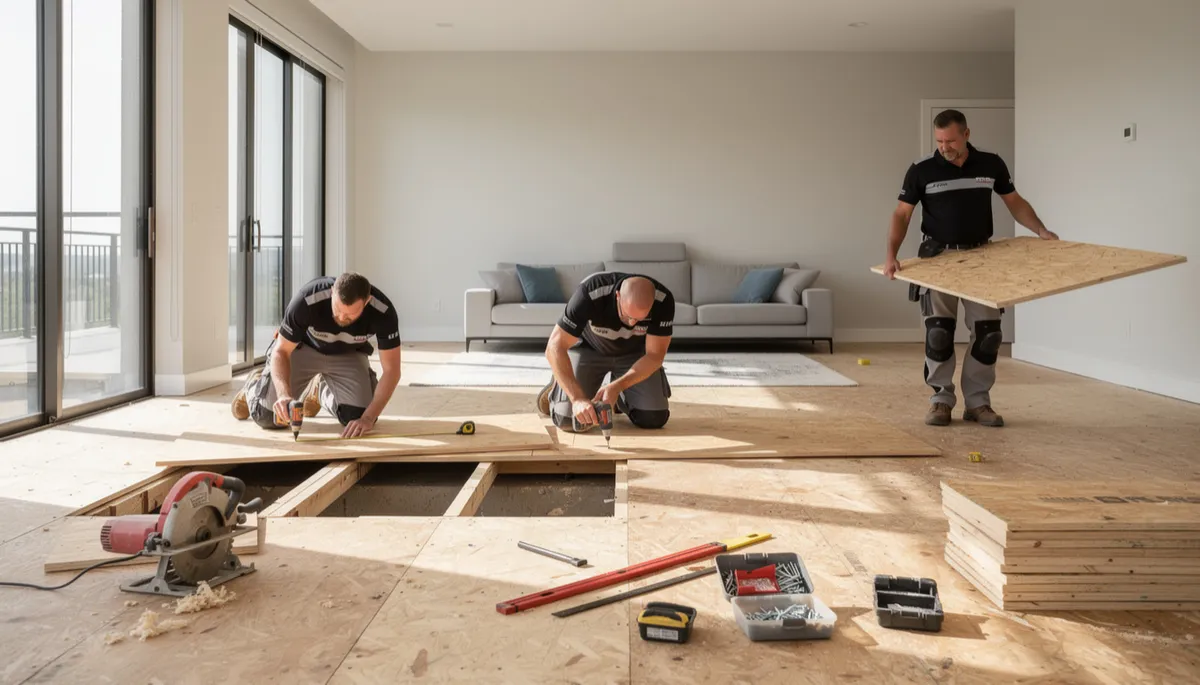
How to Tell If Your Subfloor Needs Repair Before New Flooring
When planning a new flooring installation, most homeowners focus on the visible parts—the style and type of floor they want. But what’s underneath is just as important. The subfloor provides the stability and support for your finished floor, and if it’s not in good shape, your new investment won’t last as it should. Here’s how you can tell if your subfloor needs repair before laying down new flooring in your Downers Grove home.
Why Should I Worry About My Subfloor?
The subfloor is typically made of plywood or OSB and sits right on top of the floor joists. It’s hidden, so you don’t see it every day, but it takes a beating over the years from moisture, foot traffic, and settling. If the subfloor is damaged or weakened, your new hardwood, laminate, or vinyl floor could develop squeaks, soft spots, or even cracks. Catching subfloor issues early saves you from future headaches and repair costs.
What Signs Indicate My Subfloor Might Be Damaged?
There are several clues that your subfloor may not be up to the task of supporting new flooring. Keep an eye out for:
- Sagging or uneven floors: If you notice dips or high spots, the subfloor could be warped or rotted.
- Squeaks and creaks: Persistent squeaking often means the subfloor is loose or not properly attached to the joists.
- Soft spots: Areas that feel spongy or give way slightly underfoot often signal rot or water damage.
- Musty odors: A lingering musty smell can be a sign of hidden moisture and possible mold in the subfloor.
- Visible mold or staining: Any dark spots or mold growth around the baseboards or under old flooring should be checked out.
How Does Water Damage Affect My Subfloor?
Water is the enemy of wood subfloors. Plumbing leaks, spills, or even high humidity can soak into the subfloor, causing it to swell, warp, or rot. Over time, this weakens the wood and leads to structural problems. When installing new flooring, any moisture issues must be addressed first, or your new floor could buckle, cup, or develop gaps. If you’ve had water damage in the past, it’s worth having a professional take a closer look before proceeding with installation.
Can I Check the Subfloor Myself?
There are a few things you can do as a homeowner before calling in the pros. Walk across the room and pay attention to any squeaks, dips, or spongy spots. If you’re removing old carpet, peel back a corner and inspect the wood underneath for discoloration, mold, or crumbling edges. However, a full inspection might require lifting more of the old floor or even sections of baseboard to see the condition of the subfloor. For homes in Downers Grove with basements, you can often look up from below to check for signs of water stains or sagging between joists.
What Happens If I Ignore Subfloor Problems?
Installing new flooring over a bad subfloor is like building a house on sand. Common issues that can crop up include:
- New floors that squeak or move underfoot
- Cracks, gaps, or shifting boards
- Buckling or cupping, especially with hardwood or laminate
- Premature wear and tear
- Hidden mold growth, which can affect indoor air quality
It’s always cheaper and easier to fix subfloor issues before new floors go in rather than after.
Do All Types of Flooring Need a Perfect Subfloor?
Every flooring type needs a stable, level subfloor, though some are more forgiving than others. Click-lock vinyl and laminate can handle minor imperfections, but hardwood—especially solid hardwood—requires a flat, dry, and secure base. If you’re installing tile, any unevenness will show up in cracked grout or loose tiles. Regardless of the material, a bad subfloor shortens the lifespan of your new floor.
Frequently Asked Questions
How long does subfloor repair take?
Most subfloor repairs are completed within a day or two, depending on the extent of the damage and the size of the area. For larger repairs, especially those involving water damage or mold, it could take a bit longer as everything needs to dry thoroughly before new flooring is installed.
Can subfloor repairs be done in just one room?
Yes, repairs can be localized to the affected area. If only one room or a specific spot has damage, there’s no need to replace the entire subfloor throughout the house. A professional will cut out and replace only what’s needed to restore a solid base.
What causes subfloor squeaks and how can they be fixed?
Squeaks are usually caused by movement between the subfloor and the joists. This can happen if the nails or screws have loosened over time or if the wood has shrunk. Fixing squeaks typically involves re-securing the subfloor with new fasteners and possibly adding adhesive to eliminate movement.
Is it possible to repair a subfloor without removing the finished floor?
In some cases, minor squeaks can be addressed from below (such as in a basement) by adding screws or special brackets. However, for most repairs, especially those involving water damage or rot, the finished floor does need to be removed to access and replace the damaged subfloor.
If you’re considering new flooring and want it to last, checking your subfloor first is always a smart move. For professional advice or subfloor repairs in the Downers Grove area, reach out to the team at Fabulous Flooring, LLC. We’re here to help your new floors start off on solid ground.